Beyond the Podium: Why Your Conference Needs Lifestyle Shots, Not Just "Guy at a Mic" Photos
You’re planning a major conference. You’ve booked the venue, secured the keynote speakers, and finalized the breakout sessions. The agenda is packed, the catering is ordered, and you know this event is going to deliver immense value. You’ve even budgeted for a conference photographer—because you know you need high-quality images to document the day, show off your speakers, and market next year’s event.
But when you sit down with your photographer to review the shot list, what does it look like? Is it a predictable rotation of:
Keynote speaker, wide shot.
Keynote speaker, medium shot.
Keynote speaker at the podium.
The CEO during opening remarks.
If your conference photography strategy is centered solely on the "guy at a mic" format, you are missing a massive opportunity.
The modern landscape of event marketing has shifted. In 2026, an audience is no longer compelled solely by who spoke; they are compelled by the experience. They want to see the energy, the connection, the innovation, and the life of the conference. To capture that, you must move beyond the podium and embrace conference lifestyle photography.
As an experienced conference and event photographer, I’ve seen this mistake made hundreds of times. A sterile, purely documentary gallery of speakers looks professional, sure. But does it feel alive? Does it sell tickets?
Let’s explore exactly why integrating lifestyle photography is essential for maximizing your conference's visibility, engagement, and long-term marketing success.
1. The Death of Engagement in Sterile Imagery
The first hurdle sterile podium shots face is the modern media landscape. We consume thousands of images daily. A static photo of a speaker at a lectern—unless they are a massive, recognizable global icon—is visually redundant. For your event attendees and prospective audience scrolling through LinkedIn, Instagram, or a recap blog, that photo provides no texture. It has no pulse.
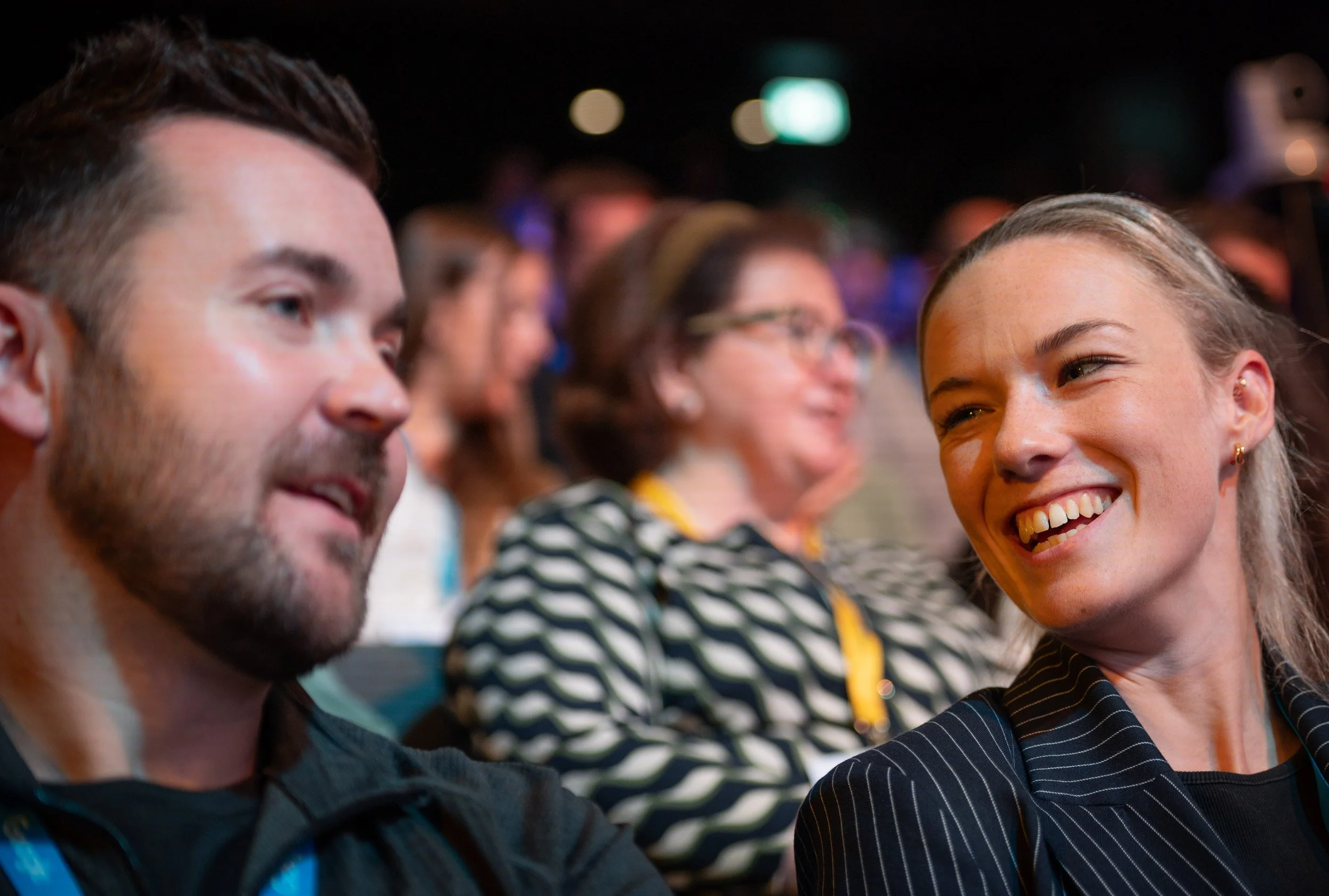
Your conference is not just a series of lectures; it’s an environment of shared learning. Lifestyle photography is what translates this environment into a digital asset. This style captures the authentic candid moments—the handshake in the hallway, the laughter at the coffee break, the focused intensity of attendees in a workshop, the spontaneous brainstorming at a networking happy hour.
These moments show engagement. They convey an atmosphere where learning is actively happening, connections are being forged, and value is being exchanged. When a prospective attendee sees a photo of people like them actively participating and looking energized, that photo makes an immediate emotional connection that a static podium shot cannot duplicate.
2. Marketing the 'FOMO' Factor (Fear Of Missing Out)
If you want to sell tickets for your 2027 conference, you must make people regret missing your 2026 conference. This is the cornerstone of effective event marketing.
Sterile, purely informational photos do not generate FOMO. They show that a speaker was there and gave a talk, which is information, not an experience.
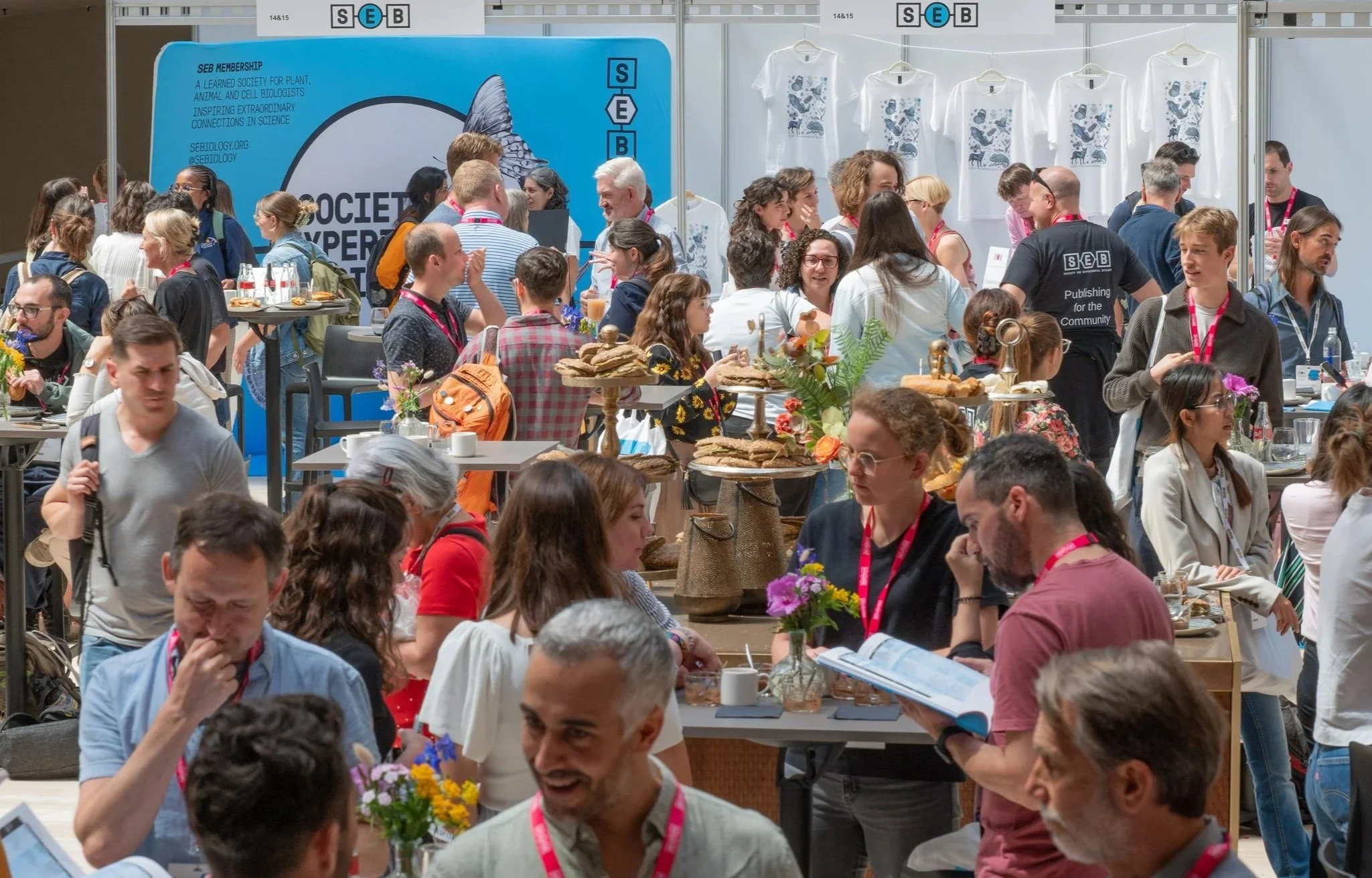
An expert event photographer who specializes in lifestyle imagery knows how to bottle the "vibe." This means capturing the scale of the bustling expo hall (rather than just empty booths), the energy of the opening reception (focused on the crowd, not just the band), or the density of people networking in the corridors.
Lifestyle shots tell your audience: "This is where the industry is happening." These dynamic images showcase a vibrant ecosystem that your target demographic is missing. That feeling is a far more powerful conversion tool than a simple list of speakers.
3. Your Attendees Are Your Best (Unintentional) Influencers
When people see great photos of themselves—looking engaged, professional, and connected—they share them. They are proud to have attended a high-value event, and your photos help them prove it to their network.
This is a powerful amplification tool you lose with static podium shots. An attendee will rarely post a photo of a speaker they didn't meet, saying, "Look what I watched." But they will always post a dynamic, beautiful shot of themselves exchanging ideas during a breakout session or laughing with colleagues at your evening reception.
By prioritizing lifestyle photography, you are creating high-quality, shareable assets for your attendees. Each photo posted on LinkedIn is an implicit endorsement of your event, reaching new networks with a visual testament to your conference's quality and energy.
4. Demonstrating Tangible ROI (Return on Experience)
Planners are increasingly under pressure to prove the value and Return on Experience (ROX) of an in-person event, especially in a hybrid or virtual world. Senior leadership and stakeholders need visual proof that the significant investment in the physical space, travel, and logistics was worth it.
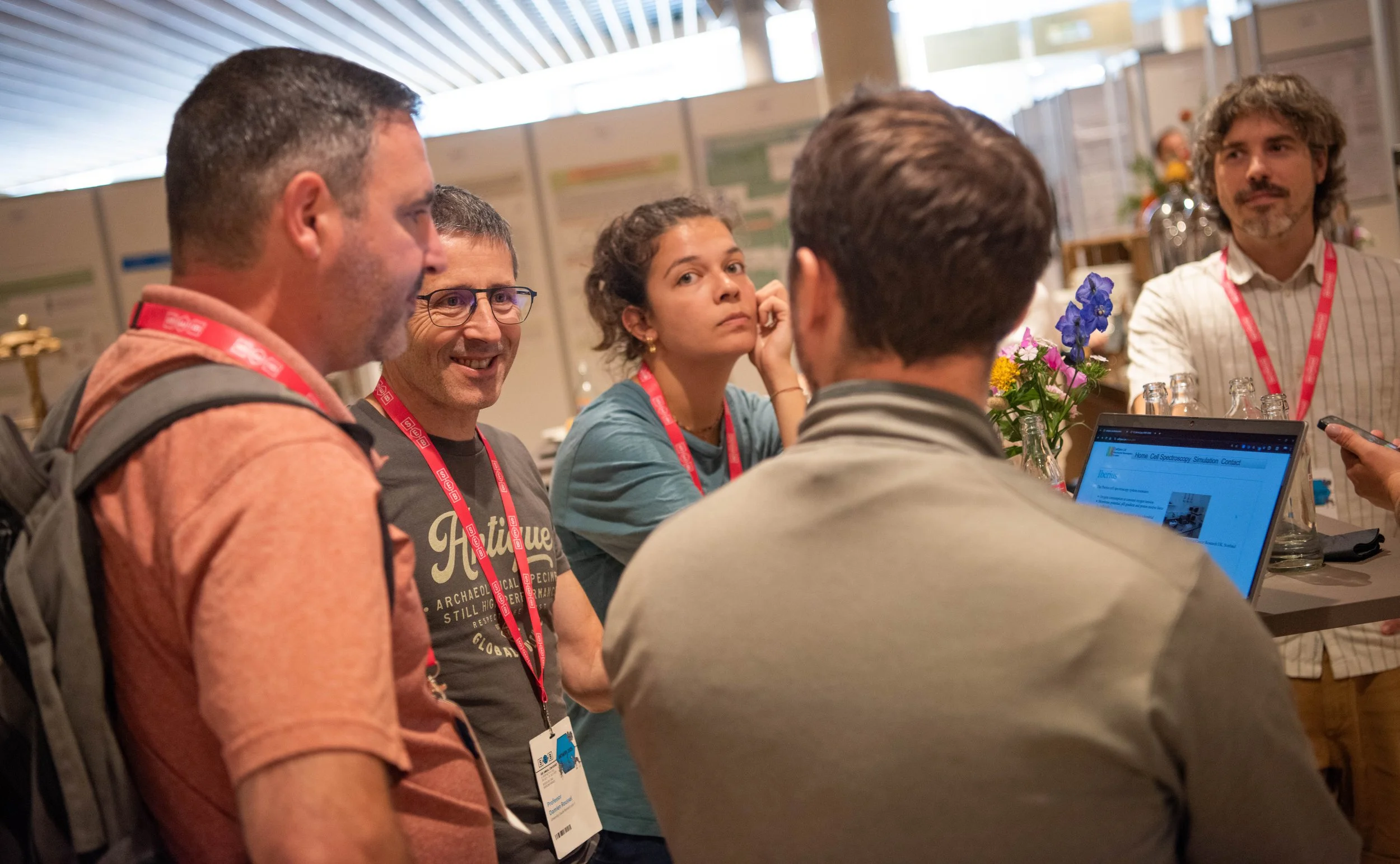
A gallery full of speakers is expected. It shows you delivered the program you promised. But a gallery full of authentic networking, collaboration, and high-energy interaction demonstrates the unique, unscriptable value that only an in-person conference can provide.
Lifestyle photos of active networking, crowded sessions, and dynamic exchanges in the hallway show why we still meet in person. They provide a visual report that proves the real-world value—the ROI—of human interaction, far more convincingly than simply counting the number of speakers on stage.
Beyond the Podium: Integrating Lifestyle into Your Shot List
This doesn’t mean abandoning the podium entirely. Of course, you need high-quality, professional portraits of your keynotes and session leaders. That is the necessary baseline. But to take your conference photography to the next level, your shot list must actively prioritize dynamic, lifestyle imagery.
When you hire a specialized conference photographer, ensure their approach isn’t just to set up a tripod. Ask them:
How do you approach candid moments? (They should talk about observing, anticipating interaction, and using telephoto lenses to stay unobtrusive).
How will you use the lighting in the expo hall/networking areas? (They need to be adaptable and skilled at capturing energy in challenging environments).
What specific moments of attendee engagement will you look for? (They should suggest capturing the Q&A, not just the presentation; networking, not just the bar setup).
The Bottom Line: Capture the Connection
A conference speaker is the catalyst. The microphone is just the tool. The real power of your event resides in the hundreds or thousands of attendees who chose to invest their time and money to be present, to learn, and—most importantly—to connect with one another.
If your photography gallery is only a record of the microphones, you’ve missed the core of your own event. Lifestyle photography is how you capture that core—the genuine connection and shared energy that make your conference indispensable. If you want images that don’t just record the day but sell the experience, you must move beyond the podium.
